The Unraveling: America's Path to Its Final Moment
How to Understand the Final Event Horizon of America
Analyzing the Apex of Societal Dysfunction
America feels like it's splitting at the seams. Deep divides tear through politics, families, and neighborhoods. People argue over facts that used to unite us, while bills pile up and trust in leaders fades. This isn't just a rough patch—it's American societal decay pushing toward a tipping point. Think of an event horizon, like the edge of a black hole. Once you cross it, there's no turning back. Has the U.S. reached that cultural breakdown, where dysfunction locks in for good? Let's break it down.
Erosion of Foundational Trust in Institutions
Trust forms the backbone of any society. When it crumbles, everything wobbles. In the U.S., that erosion hits hard across politics, media, and justice.
Political Polarization and Governmental Paralysis
Elected officials bicker more than they build. Gridlock stalls bills on everything from roads to health care. Recent shutdowns, like the one in late 2024 over budget fights, show how hyper-partisanship freezes action. Polls from Gallup in 2025 peg trust in Congress at a dismal 8%. That's lower than ever. You can't fix potholes or fund schools when no one agrees on basics. This paralysis feeds the sense that government's broken.
Media Fragmentation and Epistemic Crisis
News outlets pick sides, turning information into weapons. Fox pushes one story; MSNBC spins another. Shared facts vanish in the noise. Take the 2025 election cycle—claims of voter fraud flew on social media, but evidence? Sparse. Civil talk dies when everyone lives in echo chambers. Misinformation spreads fast, making agreement tough. It's not just bias; it's a full epistemic crisis, where truth feels optional.
Declining Faith in Justice and Security Systems
Courts and cops lose shine when scandals stack up. High-profile cases, like the 2024 police brutality trials, highlight uneven justice. Polls show only 40% of Americans trust the legal system, per Pew Research. National security worries grow too, with border issues and cyber threats unanswered. People feel unsafe in their own homes. When fairness seems gone, resentment boils.
The Structural Cracks in the American Dream
Money matters shape daily life. Economic woes widen gaps, fueling unrest. This isn't a dip—it's a flawed setup hurting most folks.
Stagnant Wages vs. Soaring Cost of Living
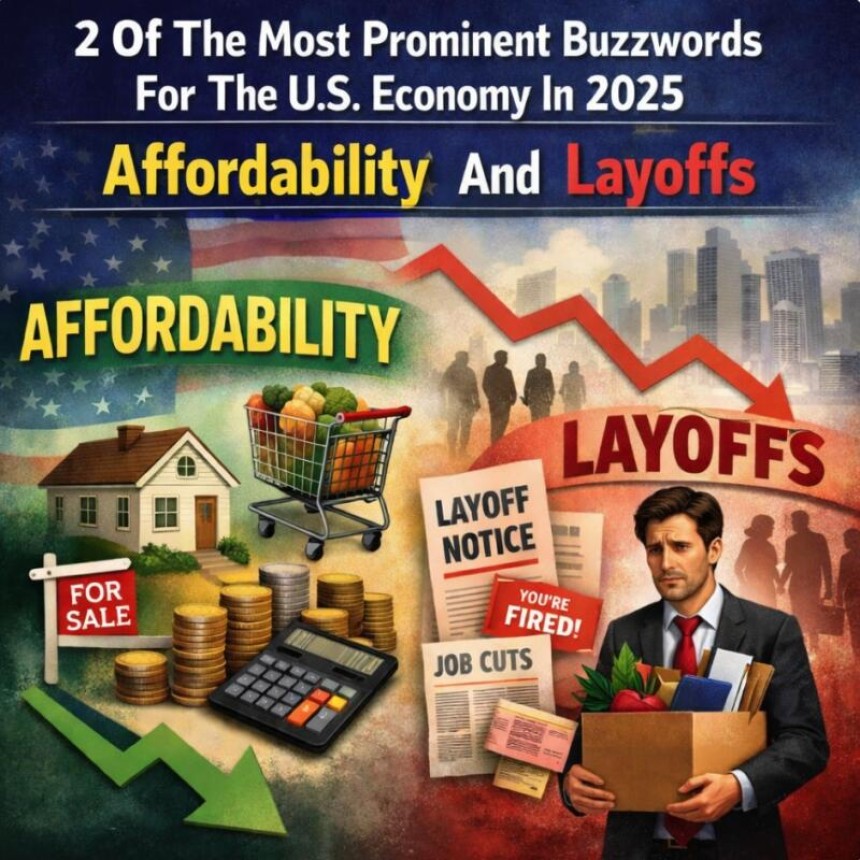
Paychecks barely budge while prices skyrocket. A family of four needs $100,000 just to scrape by in many cities, yet median income hovers at $75,000. Housing costs jumped 30% since 2020; rent eats half a paycheck. Health care bills crush savings—average premiums hit $25,000 yearly for families. Education? College debt tops $1.7 trillion. Workers produce more, but gains go to the top. This squeeze erodes the dream of upward mobility.
The Burden of Public and Private Debt
Debt drags everyone down. National debt crossed $35 trillion in 2025, per Treasury data. Interest payments alone eat budget chunks meant for parks or schools. On the personal side, student loans burden 45 million borrowers with $400 billion owed. Credit cards fill gaps, but defaults rise. Folks rely on loans for basics, creating a fragile web. One job loss snaps it. This cycle signals deep economic instability.
Corporate Consolidation and Market Capture
Big firms swallow markets, killing choice. Amazon and a few giants control e-commerce; prices stay high with less competition. Antitrust suits lag—regulators play catch-up. In 2025, mergers hit record highs, per FTC reports. Workers face gig jobs without benefits. Innovation stalls when power concentrates. Consumers pay more, and small businesses fade. It's a sign the system's rigged against the average person.
The Unraveling of Shared Civic Identity
Bonds that once tied us fray. Identity fights replace common ground. Social ties weaken, leaving folks isolated.
The Crisis of Education and Historical Narratives
Schools turn into battlegrounds over what kids learn. Debates rage on history books—should they highlight triumphs or flaws? In 2025, states banned books on race and gender, sparking parent protests. Public education aims to build citizens, but now it divides. Sociologist Robert Putnam notes social capital—those trust networks—drops as schools polarize. Kids grow up without shared stories. This hurts future unity.
Breakdown of Community Infrastructure
Neighborhoods feel empty. Civic groups like Lions Clubs shrink; volunteering fell 20% since 2010, says Corporation for National and Community Service. People bowl alone, as Putnam's book warned years ago. Online chats replace porch talks. Local events dwindle amid busy lives. Without these ties, help in tough times vanishes. Communities crack when folks don't connect face-to-face.
Mental Health Epidemic as a Symptom of Disconnection
Anxiety and depression surge. CDC data from 2025 shows 1 in 5 adults battles mental illness, up from pre-pandemic levels. Opioid deaths topped 100,000 last year. It's not just personal—it's societal stress from divides and pressures. Isolation worsens it; social media fakes connection but amps loneliness. We see the toll in rising suicides among youth. This epidemic mirrors deeper cultural breakdown.
Defining the Event Horizon: Signs of Irreversibility
So, when does decay lock in? The event horizon hits when fixes seem impossible. Metrics point to that edge now.
When Does Decay Become Terminal? Measuring the Threshold
Irreversibility shows in stalled progress. Systems self-correct in healthy societies, but here? Not so much. Track trust polls, economic gaps, and response failures. If they worsen despite efforts, it's terminal. The U.S. teeters close—decades of warnings ignored build to this.
Inability to Address Existential Threats Collectively
Big dangers loom, but action halts. Climate change? Storms batter coasts yearly, yet emissions rise. The 2025 IPCC report warns of tipping points, but Congress deadlocks on green bills. Pandemics? Post-COVID prep lags; bird flu scares go unanswered. Geopolitics heat up with China tensions, but budgets fight over basics. Paralysis on these lets threats grow. Collective will fades, pushing past recovery.
The Flight of Talent and Capital
Smart folks and money bail. High-skilled workers eye Canada or Europe for stability—U.S. visa outflows hit 500,000 in 2025, per Migration Policy Institute. Tech firms shift HQs abroad for lower risks. Investment capital flees to bonds or foreign stocks amid uncertainty. This brain drain and cash exit signal lost faith. When best and brightest leave, rebound gets harder.
Legal and Constitutional Stress Testing
Democracy bends under pressure. Election disputes, like 2024 recounts, question votes' sanctity. Courts face independence doubts after politicized picks. January 6 echoes in ongoing probes. Core rules strain—impeachments fly without consensus. If processes crack, the whole frame wobbles. This tests if the system's salvageable.
Actionable Steps for Resilience in an Uncertain Era
Hope isn't lost. Focus on what you control—local fixes and personal strength. Build from the ground up.
Rebuilding Local Economic and Social Bonds
Start small. Join town halls to push for better roads or food banks.
- Support local shops; buy from farmers' markets to keep dollars in community.
- Form mutual aid groups—share tools, skills, or childcare during hard times.
- Volunteer at shelters; it knits ties and aids neighbors.
These steps create buffers against national mess.
Cultivating Media and Information Literacy
Cut through noise. Check sources yourself.
- Use fact-check sites like Snopes for big claims.
- Talk with differing views—listen first, argue later.
- Limit feeds to balanced apps; mix news with books on history.
This builds clear thinking amid chaos.
Prioritizing Financial Self-Sufficiency
Guard your wallet. Cut debt smartly.
- Track spending; apps like Mint help spot leaks.
- Build emergency funds—aim for three months' pay in savings.
- Learn trades or side gigs; community classes teach skills like fixing cars.
Self-reliance weathers shocks better.
Conclusion: Beyond the Event Horizon
America's at a crossroads, with societal decay deep and wide. Political gridlock, economic rifts, and social splits signal a tipping point. The event horizon looms—not as a bang, but a slow slide into dysfunction. Yet, we hold power in our hands. Act local, think clear, stay strong.
Key takeaways:
- Trust in institutions craters, blocking fixes for daily woes.
- Economic flaws widen gaps, turning the dream sour for many.
- Social bonds snap, breeding isolation and unrest.
What will you do next? Start today—your corner of the world needs it.Visit wowzatv.network today and discover how they can assist you with its many self reliance opportunties available,right now,for savvy critical thinkers,such as yourself today!
Article Contributed by Rob Ocasio-Editor at WowzaMagazine