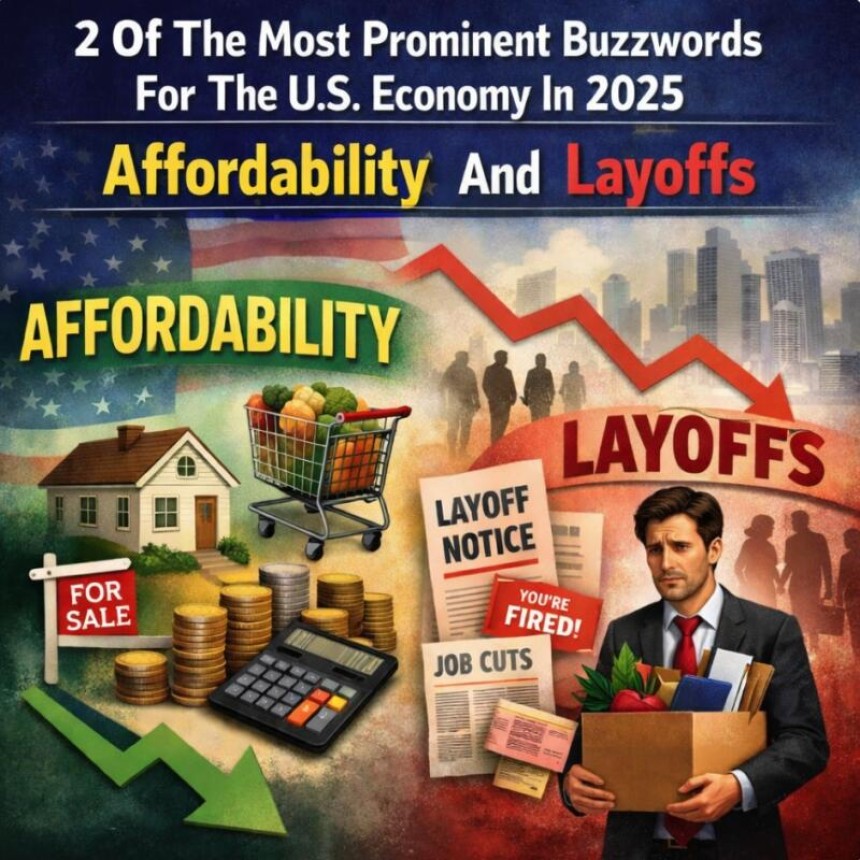
The Great American Exodus
Is Fear of Economic Collapse Driving Americans to Leave the USA?
The Great Exodus: Is Fear of Economic Collapse Driving Americans to Leave the USA?
In 2025, over 500,000 Americans moved abroad, a sharp rise from years before. This number comes from recent State Department reports. Many wonder if fears of a coming economic crash push people out.
Traditional moves often stem from job offers or a desire for adventure. Yet now, a new story emerges. Folks pack up to dodge what they see as a shaky future in the US economy. Is this fear of collapse the real spark? Or do other issues play a bigger role?
Quantifying the Exodus: Are More Americans Really Leaving?
Data shows a clear uptick in Americans living overseas. By late 2025, about 9 million US citizens resided abroad, up 15% since 2020. This shift marks a change from past patterns, where moves felt more like short trips.
Permanent relocations have grown too. Visa data points to families and pros settling in new spots for good. Post-2020, spikes tie to pandemic fallout and economic jitters.
Analyzing Emigration Data and Trends
Government stats from the Census Bureau highlight this trend. In 2024 alone, emigration hit record highs. Key spots draw crowds: Mexico tops the list with over 1.5 million Americans, followed by Canada and Portugal.
International groups like the UN track these flows. Their 2025 report notes a 20% jump in skilled workers leaving. Europe pulls in many, thanks to easier visas and lower costs.
Asia sees gains too, with places like Thailand and Vietnam popular for retirees. These numbers paint a picture of deliberate choice, not just whim.
Defining "Impending Economic Collapse" in Public Perception
People often mean big troubles when they talk collapse. Think wild price jumps, a weak dollar, or bank fails. Surveys from Gallup in 2025 show 60% of Americans fear such events soon.
Many picture hyperinflation eating savings. Others worry about job losses in a deep recession. Polls link these views to daily news on debt and trade fights.
This sense of doom shapes choices. It turns vague worries into real plans to leave.
The Economic Instability Narrative: Inflation, Debt, and Policy Uncertainty
Economic woes hit hard for middle-class families. Rising prices squeeze budgets tight. Fears of worse to come make some eye exits.
Policy shifts add to the mix. Tax talks and trade rules create doubt. These factors blend to form a push away from home.
The Impact of Persistent Inflation and Cost of Living
Inflation has lingered since 2021, now at 4% in early 2026. Groceries cost 25% more than five years ago. Housing in cities like New York runs $3,000 a month for basics.
Compare that to spots abroad. In Lisbon, rent dips under $1,500 with better perks. Healthcare adds another burden here, often $500 monthly for families.
Expat surveys cite these gaps as key reasons to go. Savings stretch further overseas, easing daily stress.
National Debt and Fiscal Concerns as a Deterrent
The US debt tops $35 trillion in 2026. This load sparks talk of higher taxes down the road. Folks fear their nest eggs won't last.
Wealth loss looms large. Some stash assets abroad to shield from grabs. Reports show a rise in offshore accounts among the worried.
This debt worry ties to collapse fears. It makes staying feel like a gamble.
Geopolitical Risk and Economic Weaponization Fears
Global tensions shake markets. Wars disrupt supply lines, hiking gas to $5 a gallon. Trade spats with China hit jobs in tech and farms.
Sanctions fears grow. Americans see how nations use money as a tool. This adds to the urge to diversify risks.
In quiet talks, people link these threats to a fragile home base.
Beyond the Dollar: Non-Economic Drivers of American Emigration
Money matters, but it's not alone. Social splits and life quality pull too. These forces mix with cash woes to speed up moves.
Often, economic fear masks deeper gripes. Politics and health access tip the scale. They make the full picture clearer.
Political Polarization and Social Fragmentation
Divides run deep in 2026. Pew polls say 70% feel the country splits on key issues. This unrest drives some to seek calmer shores.
Cultural clashes add fuel. Families tired of debates pick spots with less noise. Economic systems seem tied to this mess, per surveys.
Moves abroad offer a fresh start, away from the fray.
Quality of Life and Healthcare Access Concerns
US life demands long hours, little vacation. Europe offers 30 paid days off yearly. This balance draws pros and parents alike.
Healthcare stands out. Abroad, systems cover most needs for free or low cost. In the US, bills bankrupt families.
Expat tales praise this shift. Better schools and safety nets seal the deal for many.
The Rise of Digital Nomadism and Remote Work Flexibility
Tech changes everything. In 2025, 40% of jobs went remote, per Upwork. This frees folks to work from anywhere.
Visas for nomads boom in places like Estonia. Americans tap this to test new homes. No ties to one office means easy jumps.
This trend amps up emigration. It lets people flee woes without losing pay.
Case Studies and Testimonials: Why They Packed Their Bags
Real stories bring data to life. Interviews from outlets like CNN show patterns. Economic fears pop up often in these accounts.
One common thread: doubt about the future here. People share how small steps led to big changes.
The Tech Professional Escaping Regulatory Uncertainty
Take Sarah, a software engineer from San Francisco. In 2024, she moved to Singapore. High taxes and rules back home scared her.
"I saw capital gains hikes coming," she told Forbes. Her job stayed remote, but costs dropped 40%. Stability drew her east.
Now, she builds a life free from US policy swings.
Families Seeking Lower Education Costs and Stability
The Johnsons left Texas in 2025. College costs here hit $100,000 a year soon. Germany offers free tuition, they learned.
"We planned for our kids' future," dad Mark said in a BBC spot. Economic shakes added push. Rent and food cost half in Berlin.
Their move blends savings with peace of mind.
Preparing for Economic Uncertainty: Strategies for Those Staying Put
Not everyone can or wants to leave. Smart steps help weather storms. Focus on flexibility and protection.
These tips build strength. They ease worries without a full uproot.
Diversifying Assets Beyond the US Dollar
Spread money around. Buy foreign stocks or bonds for balance. Gold or real estate abroad guards against dollar drops.
Start small: Open an international account. Apps like Wise make it simple. Aim for 20% of savings outside US reach.
This setup softens blows from local troubles.
Developing Location-Independent Income Streams
Build remote skills. Freelance writing or coding pays anywhere. Platforms like Fiverr connect you global.
Passive options work too. Rental properties overseas or online courses generate cash flow. Test one side gig now.
These streams cut ties to one economy's fate.
Financial Contingency Planning for Volatility
Build a buffer fund for six months' needs. Cut extras to boost liquidity. Track spending with free apps.
Review insurance for gaps. Plan for job shifts with skill updates. These moves prep you for rough patches.
Stay alert to news, adjust as needed.
Conclusion: Reassessing the American Dream in an Age of Doubt
Economic fears link tight with politics and life quality in driving Americans away. The idea of collapse acts as a sign of bigger distrust. It's less a sure event, more a gut feel of failing systems.
This outflow hints at deep changes. The old dream of endless growth faces questions. For those eyeing exits or staying, awareness is key.
Think about your own setup. Diversify now. The path forward demands smart choices in unsure times. What step will you take today?



Unlock Your Business Potential! Wowza Magazine - Your Blueprint for Su...